

Competitive Analysis Framework · CHAPTER 4 OF 6
Workflow research and SWOT
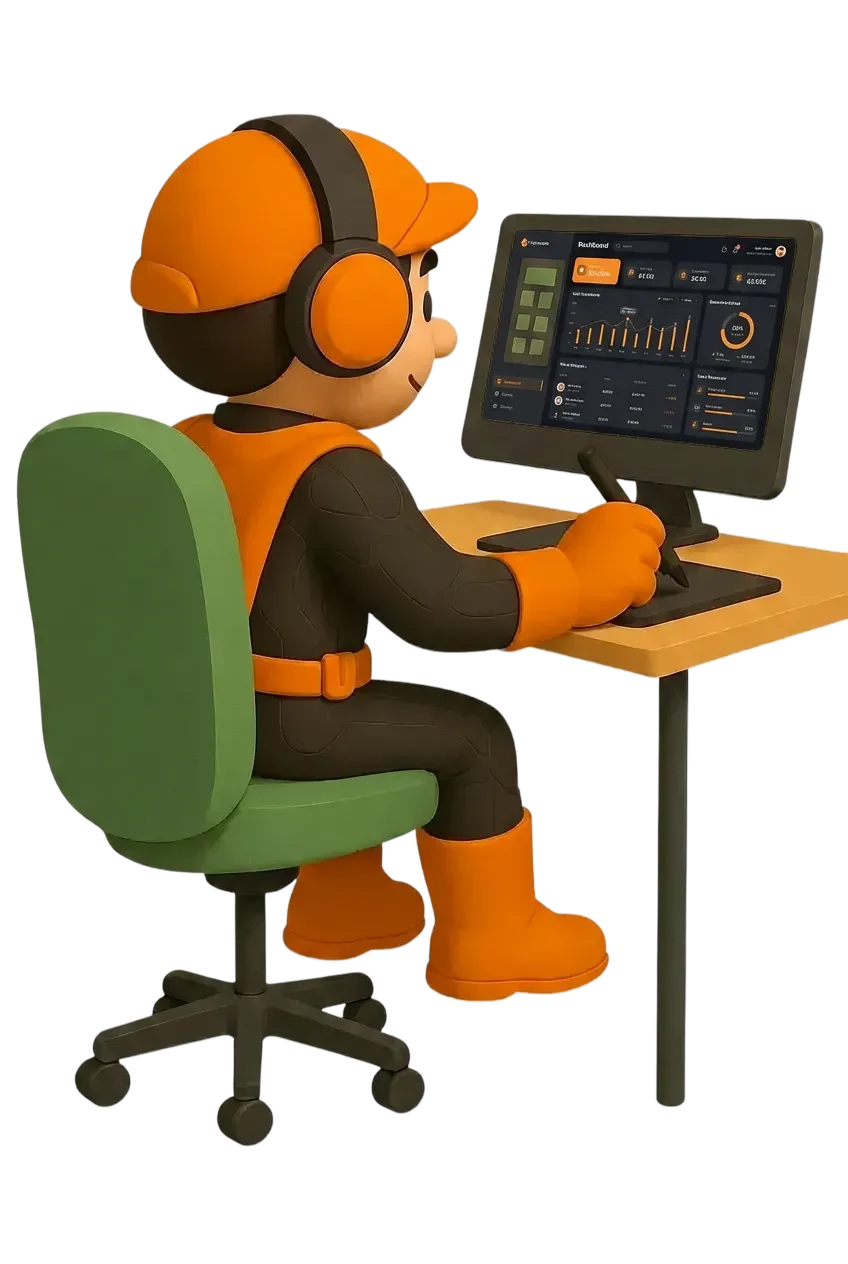
Study the Same Workflow Across Products
After understanding competitors, study them
flow-wise.
Do not only compare products within the same software category.
Take one important workflow and study how similar flows are solved across different types of software.


Study the Same Workflow Across Products
After understanding competitors, study them flow-wise.
Do not only compare products within the same software category.
Take one important workflow and study how similar flows are solved across different types of software.

This helps you understand the workflow beyond one industry.
This helps you understand the workflow beyond one industry.
Example: Studying leave application flow
in other Industries




Example: Studying leave application flow
in other Industries
Different Software Solve the Same Flow Differently

different user needs



Different Software Solve the Same Flow Differently
different user needs
look how others are solving the same problem

look how others are solving the same problem
Document the Workflow References
As you study competitors flow-wise, collect every useful reference.
Add them to the competitive analysis template so the team can use them during audit and redesign decisions.





Document the Workflow References
As you study competitors flow-wise, collect every useful reference.
Add them to the competitive analysis template so the team can use them during audit and redesign decisions.
Study Competitors From a Business Perspective
After identifying competitors and studying their workflows, the next step is SWOT analysis.
Here, we are not only studying the competitor’s software.
We are studying the competitor as a business.

Study Competitors From a Business Perspective
After identifying competitors and studying their workflows, the next step is SWOT analysis.
Here, we are not only studying the competitor’s software.
We are studying the competitor as a business.




Start With an Overview First
Start With an Overview First
This gives context before judging the competitor’s strengths, weaknesses, opportunities, and threats.
This gives context before judging the competitor’s strengths, weaknesses, opportunities, and threats.
Analyze Each Competitor With SWOT




Analyze Each Competitor With SWOT
Strength:
What Do They Do Well?
Strengths show what the competitor is already good at.
For example,
An HR competitor may have strong market presence, employee-centric positioning, wide module coverage, and deep knowledge of the Indian market.



Strength: What Do They Do Well?
Strengths show what the competitor is already good at.
For example, An HR competitor may have strong market presence, employee-centric positioning, wide module coverage, and deep knowledge of the Indian market.
Weakness:
Where Are They Falling Behind?
Weaknesses show where the competitor creates gaps or limitations.
For example, an HR competitor may have limited customization for complex workflows, policies, or enterprise-specific requirements.


Weakness: Where Are They Falling Behind?
Weaknesses show where the competitor creates gaps or limitations.
For example, an HR competitor may have limited customization for complex workflows, policies, or enterprise-specific requirements.
Opportunity:
Where Can We Stand Out?
Opportunities show where the market still has space for improvement.
For example,
An HR competitor may have opportunities in international expansion or AI-powered automation.

Opportunity: Where Can We Stand Out?
Opportunities show where the market still has space for improvement.
For example, An HR competitor may have opportunities in international expansion or AI-powered automation.
Threat:
What Could Strengthen Their Position?
Threats show what could make the competitor stronger in the market.
For example, an HR competitor may face price pressure and intense competition, but the same pressure can also affect the product we are redesigning.



Threat: What Could Strengthen Their Position?
Threats show what could make the competitor stronger in the market.
For example, an HR competitor may face price pressure and intense competition, but the same pressure can also affect the product we are redesigning.
What features are standard?


SWOT Helps Find Market Gaps
SWOT Helps Find Market Gaps
What features are standard?