B2B SaaS User Persona Framework · CHAPTER 2 OF 5

User persona foundations

Why User Personas Can’t Be Ignored

Generic User Understanding Is Not Enough

Enterprise software is used by professionals with clear roles, responsibilities, permissions, workflows, and accountability.

​

A lab analyst, QA manager, or warehouse operator does not use software based on lifestyle or hobbies.

​

They use it based on what their role expects them to do.

If that context is missed, the redesign may look better but still fail the workflow.

Illustration accompanying Generic User Understanding Is Not Enough

Generic User Understanding Is Not Enough

Enterprise software is used by professionals with clear roles, responsibilities, permissions, workflows, and accountability.

A lab analyst, QA manager, or warehouse operator does not use software based on lifestyle or hobbies.

They use it based on what their role expects them to do.

If that context is missed, the redesign may look better but still fail the workflow.
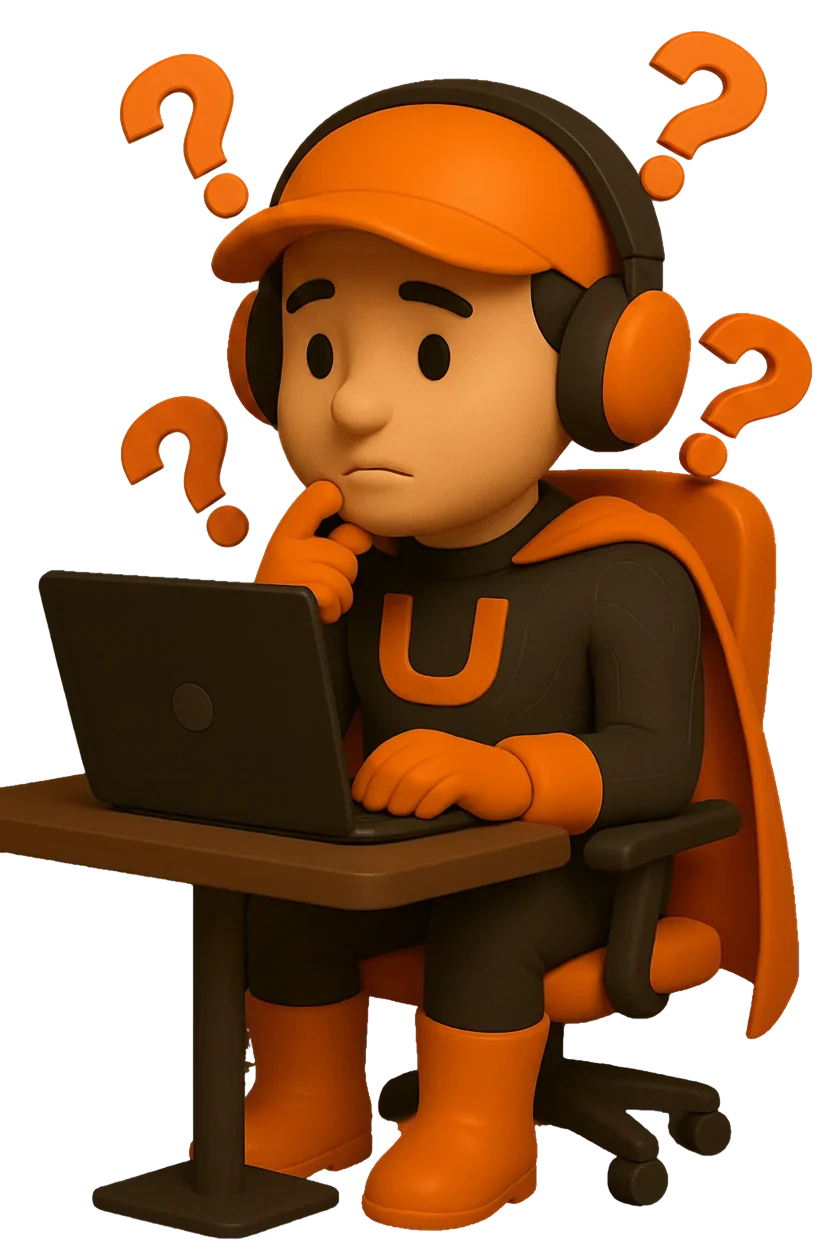
Illustration accompanying Generic User Understanding Is Not Enough

The Problem With Most Personas

Generic Personas Don’t Explain the Workflow

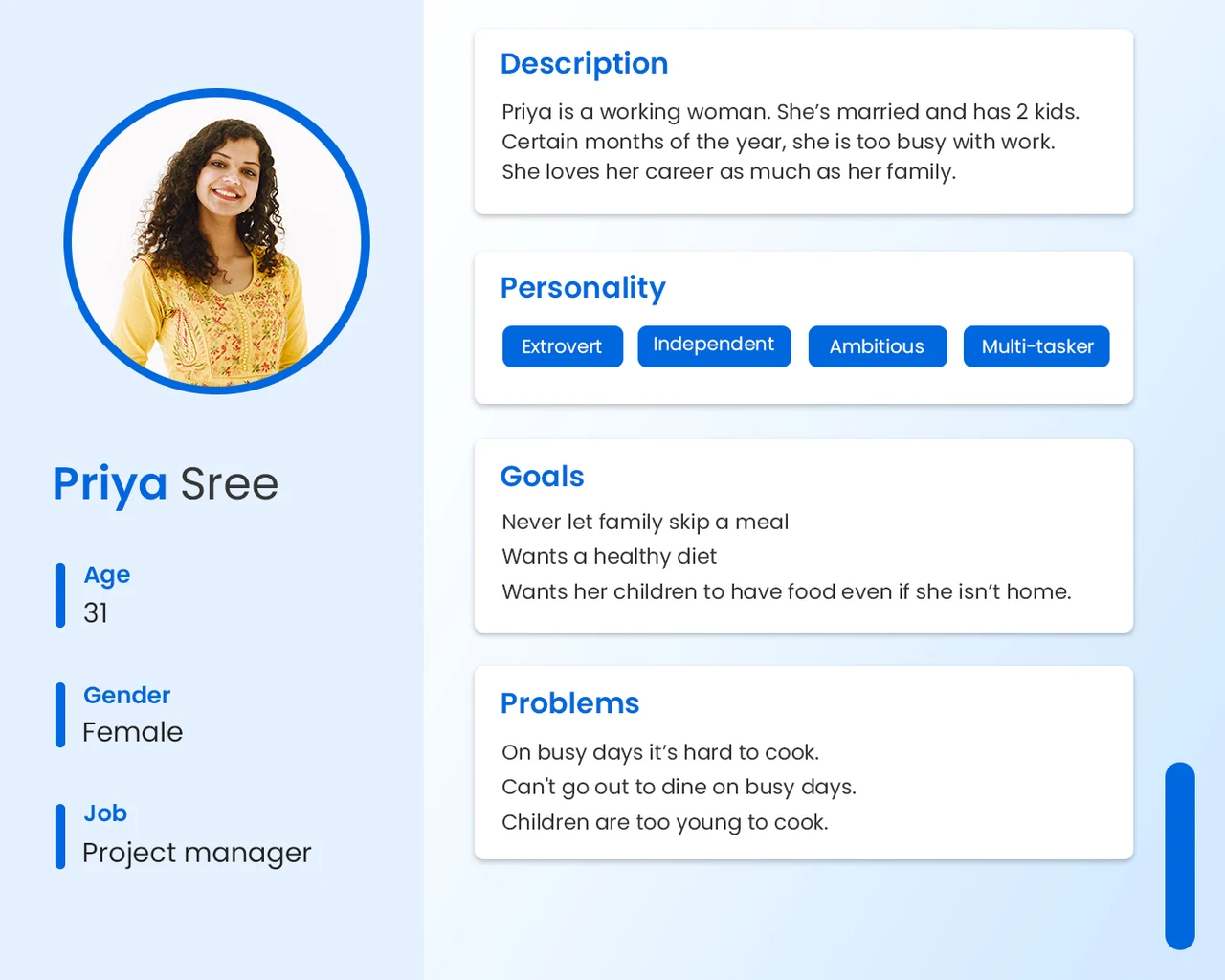
A generic persona may tell you:

Name, Age, Gender, Location, Hobbies, Personal goals,

​

But it does not tell you what actually matters in a SaaS redesign.

Illustration accompanying Generic Personas Don’t Explain the Workflow

Generic Personas Don’t Explain the Workflow

A generic persona may tell you:

Name, Age, Gender, Location, Hobbies, Personal goals,

But it does not tell you what actually matters in a SaaS redesign.

Illustration accompanying Generic Personas Don’t Explain the Workflow

It does not explain

What the user is responsible for

Who the user reports to

Who depends on the user

What decisions the user makes

What permissions are required

What mistakes the user must avoid

It does not explain

  • What the user is responsible for

  • Who the user reports to

  • Who depends on the user

  • What decisions the user makes

  • What permissions are required

  • What mistakes the user must avoid

It does not explain

What the user is responsible for

Who the user reports to

Who depends on the user

What decisions the user makes

What permissions are required

What mistakes the user must avoid

It does not explain

What the user is responsible for

Who the user reports to

Who depends on the user

What decisions the user makes

What permissions are required

What mistakes the user must avoid

What Is User Persona Research in UI/UX?

User Persona Research

User persona research helps the design team understand who the users are and how they work inside the software. In B2B SaaS, a user persona is not just a basic user profile.

what the user needs to do

User Persona Research: what the user needs to do how they make decisions who they work with what software must support It helps designers understand

how they make decisions

User Persona Research: what the user needs to do how they make decisions who they work with what software must support It helps designers understand

who they work with

User Persona Research: what the user needs to do how they make decisions who they work with what software must support It helps designers understand

what software must support

User Persona Research: what the user needs to do how they make decisions who they work with what software must support It helps designers understand

It helps designers understand

It helps the design team understand
It helps the design team understand: Role

Role

It helps the design team understand: RACI

RACI

It helps the design team understand: Responsibilities

Responsibilities

It helps the design team understand: Department

Department

It helps the design team understand: Qualification

Qualification

It helps the design team understand: Experience

Experience

It helps the design team understand
  • Role

  • RACI

  • Responsibilities

  • Department

  • Qualification

  • Experience

It helps the design team understand
It helps the design team understand: Role

Role

It helps the design team understand: RACI

RACI

It helps the design team understand: Responsibilities

Responsibilities

It helps the design team understand: Department

Department

It helps the design team understand: Qualification

Qualification

It helps the design team understand: Experience

Experience

It helps the design team understand

It helps the design team understand: Role

Role

It helps the design team understand: RACI

RACI

It helps the design team understand: Responsibilities

Responsibilities

It helps the design team understand: Department

Department

It helps the design team understand: Qualification

Qualification

It helps the design team understand: Experience

Experience

Why User Persona Is Not Optional

Poor Personas Lead to Costly Redesign Mistakes

Weak personas lead to costly redesign mistakes because the product is redesigned without clearly understanding user roles, responsibilities, permissions, handoffs, and decisions.

Illustration accompanying Poor Personas Lead to Costly Redesign Mistakes


Poor Personas Lead to Costly Redesign Mistakes

Weak personas lead to costly redesign mistakes because the product is redesigned without clearly understanding user roles, responsibilities, permissions, handoffs, and decisions.

Illustration accompanying Poor Personas Lead to Costly Redesign Mistakes

Poor Persona will lead to

Designing flows for the wrong user

When the actual user role is not understood, the redesign may simplify the wrong journey and make the real user’s work harder.

Increasing support dependency

If the product is not designed around the user’s actual workflow, users need more guidance, training, and support to complete basic tasks.

Solving the wrong problem

When the user’s real responsibilities are not understood, the redesign may only improve the surface-level interface.

​

It may look cleaner , but the actual workflow problem can still remain unsolved.

Illustration accompanying Poor Persona will lead to
  • Designing flows for the wrong user

    When the actual user role is not understood, the redesign may simplify the wrong journey and make the real user’s work harder.

  • Increasing support dependency

    If the product is not designed around the user’s actual workflow, users need more guidance, training, and support to complete basic tasks.

  • Solving the wrong problem

    When the user’s real responsibilities are not understood, the redesign may only improve the surface-level interface.​It may look cleaner , but the actual workflow problem can still remain unsolved.

Poor Persona will lead to

Designing flows for the wrong user

When the actual user role is not understood, the redesign may simplify the wrong journey and make the real user’s work harder.

Increasing support dependency

If the product is not designed around the user’s actual workflow, users need more guidance, training, and support to complete basic tasks.

Solving the wrong problem

When the user’s real responsibilities are not understood, the redesign may only improve the surface-level interface.

It may look cleaner , but the actual workflow problem can still remain unsolved.

Illustration accompanying Poor Persona will lead to

It is a risk-reduction step before redesigning complex software.

That is why persona research is not just a UX activity.

That is why persona research is not just a UX activity.

It is a risk-reduction step before redesigning complex software.

Where User Personas Help in a Redesign

Personas Bring Role Clarity

User personas help the design team understand what each user needs to see, do, decide, and complete inside the product.

Personas Bring Role Clarity: Dashboard Heavy Training Dependency Confusing Navigation Low Feature Adoption Legacy UI Long Onboarding Cycles

Dashboard

Personas Bring Role Clarity: Dashboard Heavy Training Dependency Confusing Navigation Low Feature Adoption Legacy UI Long Onboarding Cycles

Heavy Training Dependency

Personas Bring Role Clarity: Dashboard Heavy Training Dependency Confusing Navigation Low Feature Adoption Legacy UI Long Onboarding Cycles

Confusing Navigation

Personas Bring Role Clarity: Dashboard Heavy Training Dependency Confusing Navigation Low Feature Adoption Legacy UI Long Onboarding Cycles

Low Feature Adoption

Personas Bring Role Clarity: Dashboard Heavy Training Dependency Confusing Navigation Low Feature Adoption Legacy UI Long Onboarding Cycles

Legacy UI

Personas Bring Role Clarity: Dashboard Heavy Training Dependency Confusing Navigation Low Feature Adoption Legacy UI Long Onboarding Cycles

Long Onboarding Cycles

They help redesign decisions around:

Personas Bring Role Clarity

User personas help the design team understand what each user needs to see, do, decide, and complete inside the product.

They help redesign decisions around:

Personas Bring Role Clarity: Dashboard Heavy Training Dependency Confusing Navigation Low Feature Adoption Legacy UI Long Onboarding Cycles

Dashboard

Personas Bring Role Clarity: Dashboard Heavy Training Dependency Confusing Navigation Low Feature Adoption Legacy UI Long Onboarding Cycles

Heavy Training Dependency

Personas Bring Role Clarity: Dashboard Heavy Training Dependency Confusing Navigation Low Feature Adoption Legacy UI Long Onboarding Cycles

Confusing Navigation

Personas Bring Role Clarity: Dashboard Heavy Training Dependency Confusing Navigation Low Feature Adoption Legacy UI Long Onboarding Cycles

Low Feature Adoption

Personas Bring Role Clarity: Dashboard Heavy Training Dependency Confusing Navigation Low Feature Adoption Legacy UI Long Onboarding Cycles

Legacy UI

Personas Bring Role Clarity: Dashboard Heavy Training Dependency Confusing Navigation Low Feature Adoption Legacy UI Long Onboarding Cycles

Long Onboarding Cycles

The Upslide User Persona Framework

5 Steps to Build Better Personas Before Redesign
Each step helps move from generic user assumptions to informed design decisions.

5 Steps

Role &
Responsibilities

5 Steps to Build Better Personas Before Redesign: 5 Steps Role & Responsibilities Qualification WorkDynamics Key Characteristics RACI Mapping

Qualification

5 Steps to Build Better Personas Before Redesign: 5 Steps Role & Responsibilities Qualification WorkDynamics Key Characteristics RACI Mapping

Work
Dynamics

5 Steps to Build Better Personas Before Redesign: 5 Steps Role & Responsibilities Qualification WorkDynamics Key Characteristics RACI Mapping

Key
Characteristics

5 Steps to Build Better Personas Before Redesign: 5 Steps Role & Responsibilities Qualification WorkDynamics Key Characteristics RACI Mapping

RACI
Mapping

5 Steps to Build Better Personas Before Redesign: 5 Steps Role & Responsibilities Qualification WorkDynamics Key Characteristics RACI Mapping

5 Steps to Build Better Personas Before Redesign
Each step helps move from generic user assumptions to informed design decisions.

5 Steps

Role &
Responsibilities

5 Steps to Build Better Personas Before Redesign: 5 Steps Role & Responsibilities Qualification WorkDynamics Key Characteristics RACI Mapping

Qualification

5 Steps to Build Better Personas Before Redesign: 5 Steps Role & Responsibilities Qualification WorkDynamics Key Characteristics RACI Mapping

Work
Dynamics

5 Steps to Build Better Personas Before Redesign: 5 Steps Role & Responsibilities Qualification WorkDynamics Key Characteristics RACI Mapping

Key
Characteristics

5 Steps to Build Better Personas Before Redesign: 5 Steps Role & Responsibilities Qualification WorkDynamics Key Characteristics RACI Mapping

RACI
Mapping

5 Steps to Build Better Personas Before Redesign: 5 Steps Role & Responsibilities Qualification WorkDynamics Key Characteristics RACI Mapping

FRAMEWORK CONTENTS

B2B SaaS User Persona Framework

Search documentation

Search scope

Search across all eight guides.

Diagram detail