

First Principles of SaaS UX · CHAPTER 4 OF 7
User hierarchy and action priority

Set Hierarchy & Priority
Set Hierarchy & Priority
Understanding Data Sets Priority



Understanding Data Sets Priority
Start With Hierarchy
In B2B SaaS, different users have different responsibilities, actions, and information needs.
Understanding their hierarchy helps us determine the weight of each role before deciding what their screens should contain.





Start With Hierarchy
In B2B SaaS, different users have different responsibilities, actions, and information needs.
Understanding their hierarchy helps us determine the weight of each role before deciding what their screens should contain.
Understand the Hierarchy of Users
We can identify user hierarchy by looking at:
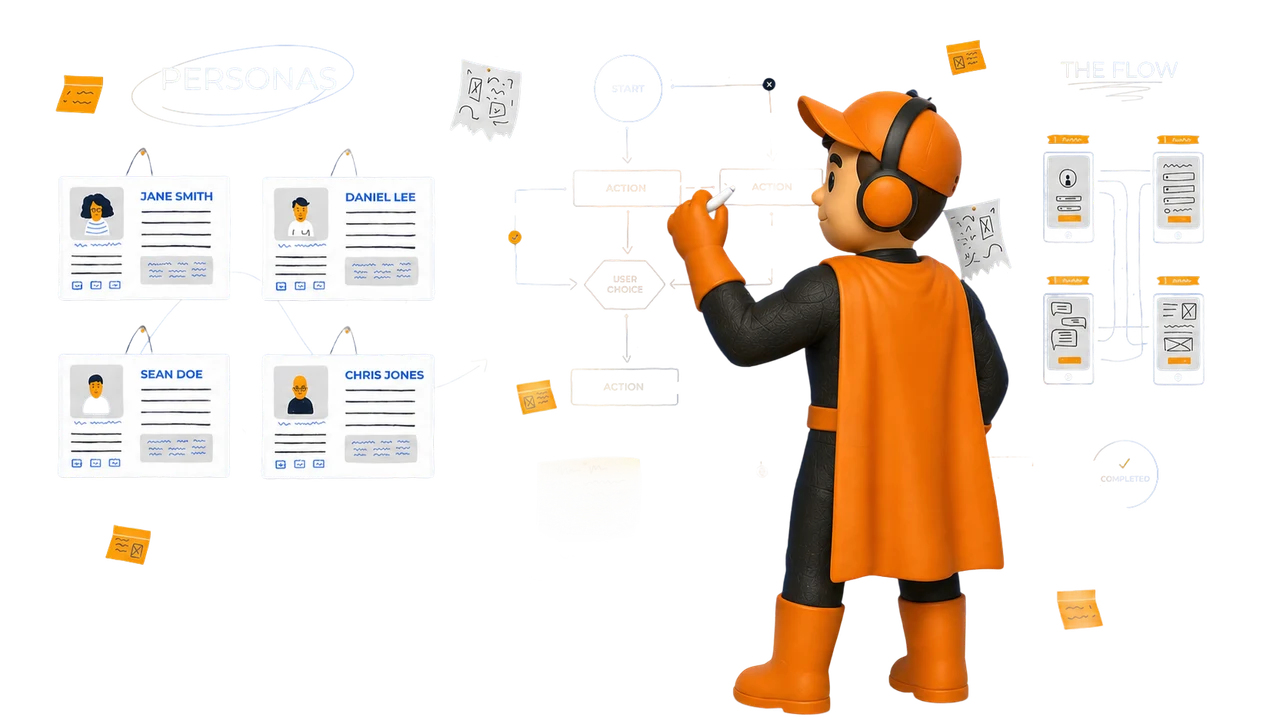
Visual User Flows, User Personas, RACI
These help us understand each user's actions, goals, responsibilities, and level of involvement.

Understand the Hierarchy of Users
We can identify user hierarchy by looking at:
Visual User Flows, User Personas, RACI
These help us understand each user's actions, goals, responsibilities, and level of involvement.
Users Can be categorised into 3 Levels


Users Can be categorised into 3 Levels
Understand This With a Hospital
Doctor — High Level
Reviews multiple patients, clinical information, and makes key decisions.
Nurse — Mid Level
Records and monitors clinical information needed by the doctor.
Receptionist — Low Level
Collects patient details and manages appointments.


Understand This With a Hospital
Doctor — High Level
Reviews multiple patients, clinical information, and makes key decisions.
Nurse — Mid Level
Records and monitors clinical information needed by the doctor.
Receptionist — Low Level
Collects patient details and manages appointments.
Hierarchy Isn’t About Who Starts
The receptionist may create the first patient record, but that does not make them the highest-level user.
Hierarchy depends on: Width of information, Responsibility, Decision-making
The broader these become, the higher the user's level.

Hierarchy Isn’t About Who Starts
The receptionist may create the first patient record, but that does not make them the highest-level user.
Hierarchy depends on: Width of information, Responsibility, Decision-making
The broader these become, the higher the user's level.
Hierarchy Controls What Users See


Hierarchy Controls What Users See
Set Action Hierarchy
Every Role Has Multiple Actions. A user may perform many actions in the software, but they are not equally important.
So after categorising users, we need to categorise their actions based on importance and responsibility.






Set Action Hierarchy
Every Role Has Multiple Actions. A user may perform many actions in the software, but they are not equally important.
So after categorising users, we need to categorise their actions based on importance and responsibility.
Doctor Action Hierarchy


High-Level Actions
- Review patient details
- Diagnose the patient
- Review medical history
- Write a prescription

- Review test results
- Monitor patient progress
- Review previous prescriptions

Lower-Level Actions
- Manage workload
- Check schedule
- View supporting notes
- Track consultation status

Doctor Action Hierarchy
High-Level Actions
- Review patient details
- Diagnose the patient
- Review medical history
- Write a prescription
- Review test results
- Monitor patient progress
- Review previous prescriptions
Lower-Level Actions
- Manage workload
- Check schedule
- View supporting notes
- Track consultation status
Action Hierarchy Guides Design Decisions



Action Hierarchy Guides Design Decisions
Set Priority for Every Action
Even after defining the hierarchy of actions, each action needs to be prioritised.
Priority helps us decide: What comes first, What gets more visibility, What needs faster access
This ensures the most important actions are easier and quicker for users to perform.


Set Priority for Every Action
Even after defining the hierarchy of actions, each action needs to be prioritised.
Priority helps us decide: What comes first, What gets more visibility, What needs faster access
This ensures the most important actions are easier and quicker for users to perform.
Doctor Priority Example
Prioritise Within the Same Level
A doctor may have several high-level actions:
Review Patient → Diagnose → Prescribe
But during consultation, diagnosing the patient may carry the highest priority. So hierarchy tells us what belongs at the top level.
Priority tells us what comes first within it.


Patient Review
Diagnose

Prescribe


Doctor Priority Example
Prioritise Within the Same Level
A doctor may have several high-level actions:
Review Patient → Diagnose → Prescribe
But during consultation, diagnosing the patient may carry the highest priority. So hierarchy tells us what belongs at the top level.
Priority tells us what comes first within it.
Patient Review
Diagnose
Prescribe
Everyday Example: WhatsApp
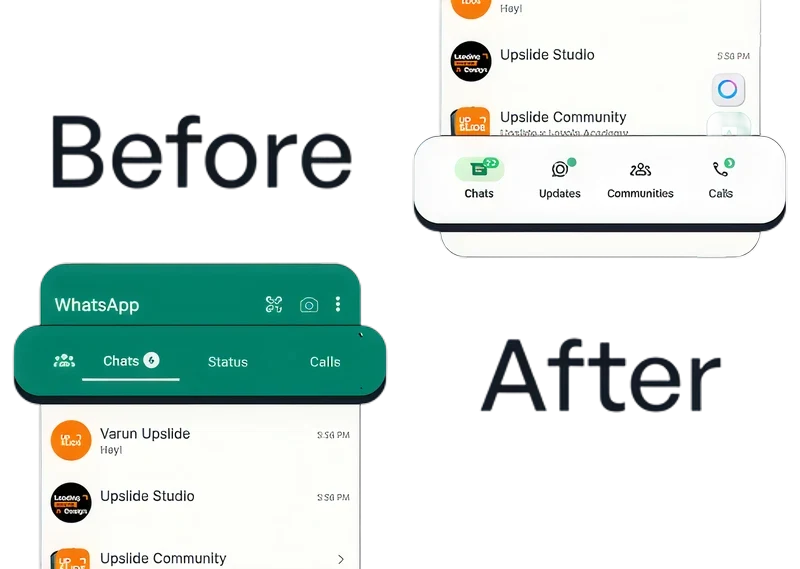
WhatsApp Makes This Easy to See. The bottom navigation contains actions such as:
Updates · Calls · Communities · Chats · Profile
They all sit at a similar navigation level. But when the app opens, Chats appears by default.
That is prioritisation within the same hierarchy.


Everyday Example: WhatsApp
WhatsApp Makes This Easy to See. The bottom navigation contains actions such as:
Updates · Calls · Communities · Chats · Profile
They all sit at a similar navigation level. But when the app opens, Chats appears by default.
That is prioritisation within the same hierarchy.
Hierarchy vs Priority

Hierarchy
Determines the level of importance between users, actions, or information.
Priority
Determines what comes first among items at the same hierarchy level.
Hierarchy vs Priority
Hierarchy
Determines the level of importance between users, actions, or information.
Priority
Determines what comes first among items at the same hierarchy level.
Hierarchy & Priority Shape the Experience
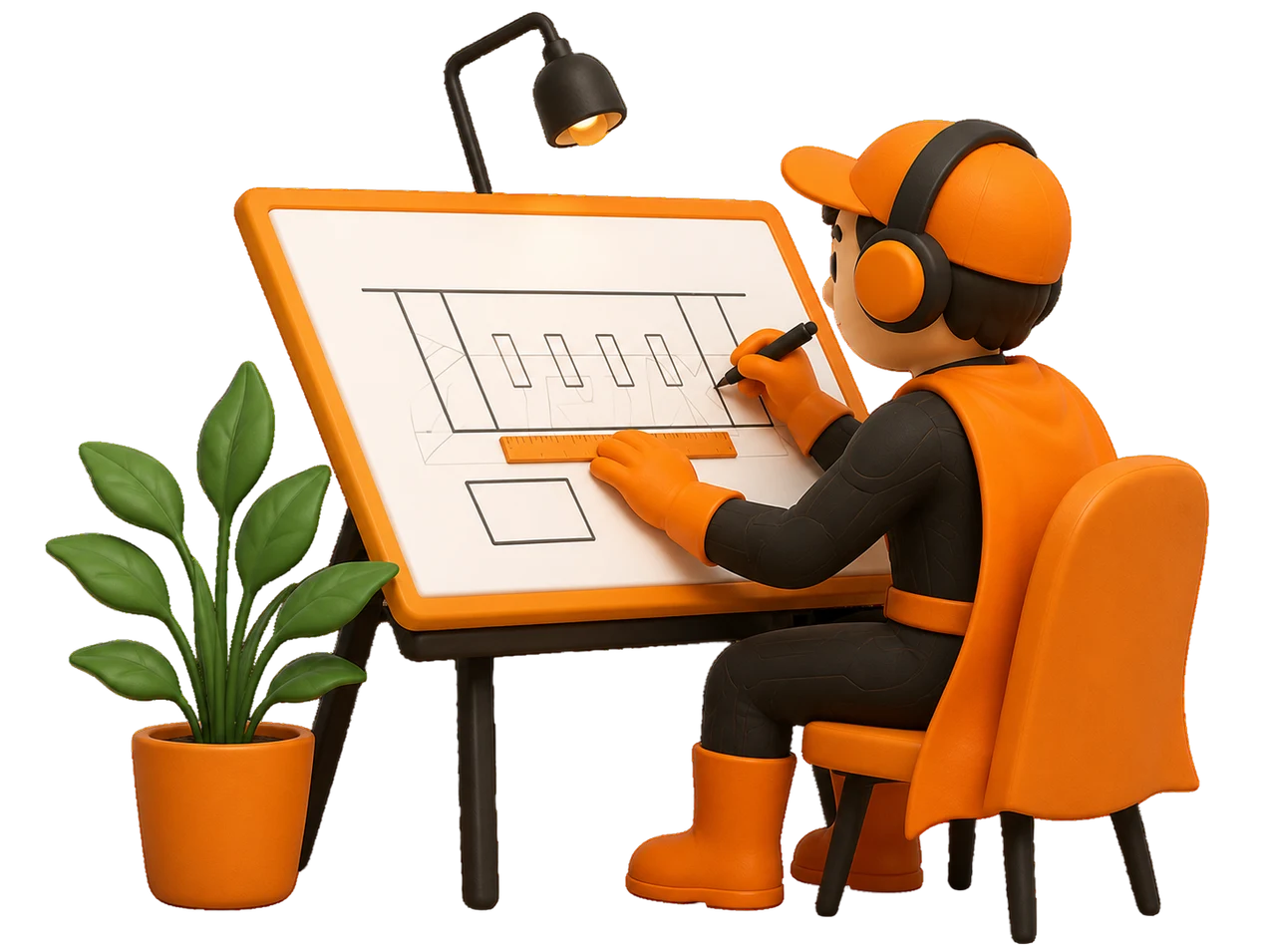
Together, they help us decide:
- What users see
- What they can do
- What appears first
- What gets more emphasis
- What stays secondary
This creates a clearer interface around how each user actually works.
Hierarchy & Priority Shape the Experience
Together, they help us decide:
- What users see
- What they can do
- What appears first
- What gets more emphasis
- What stays secondary
This creates a clearer interface around how each user actually works.
Step 2 Takeaway
Hierarchy helps us understand what matters at each level, while prioritisation helps us decide what matters first within that level.
Together, they turn user responsibilities into clear screen and workflow decisions.


Step 2 Takeaway
Hierarchy helps us understand what matters at each level, while prioritisation helps us decide what matters first within that level.
Together, they turn user responsibilities into clear screen and workflow decisions.